Skip to content

Choosing a food supplier for a hotel is not about what is served. It’s about timing, operations, reliability, and zero friction.
Whether it’s for a corporate event, a group booking, a convention, or temporary kitchen support, a bad supplier is noticeable. A good one, on the other hand, isn’t noticed at all — everything just works.
In this guide, we explain what a food supplier for hotels must deliver, how to choose the right one, and which mistakes to avoid before requesting a quote.
Quick Summary (If You’re Short on Time)
If you’re evaluating a food supplier for your hotel, make sure they:
Understand hotel operations (not just cooking)
Adapt to events, groups, and last-minute changes
Work with clearly defined formats (no improvisation)
Manage allergens and dietary restrictions properly
Always have a Plan B
Request the right information before quoting
Don’t complicate your internal operations
If any of these points fail, the problem won’t be the food.
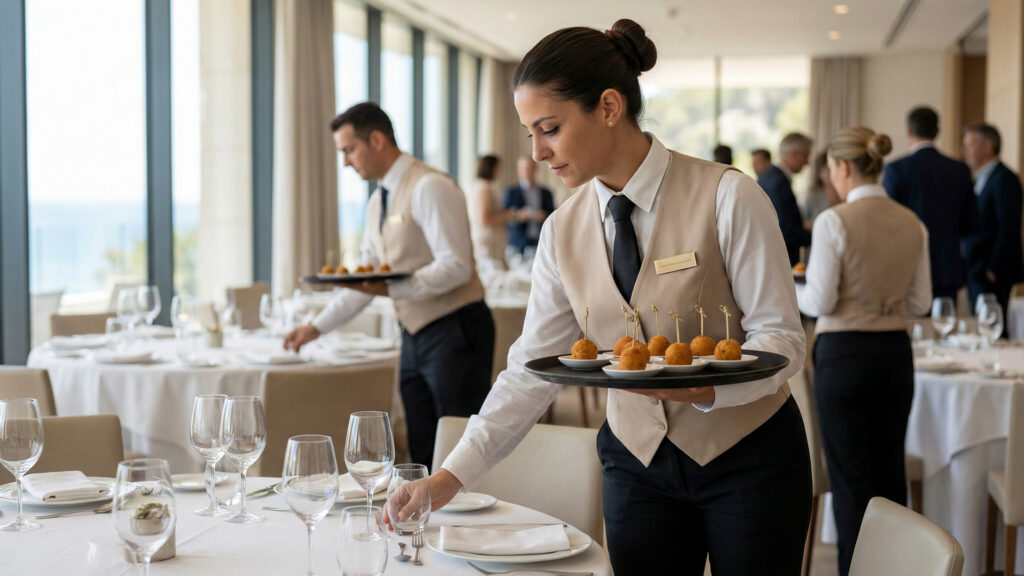
What Does a Food Supplier for Hotels Really Do?
A food supplier for hotels is not a distributor or a generic catering company.
It’s a service that must integrate into your hotel without interfering with:
the event flow
the guest experience
the internal team’s operations
That involves much more than cooking:
realistic time planning
adaptation to the space
discreet setup and breakdown
coordination with the hotel team
consistency, even when guest numbers change
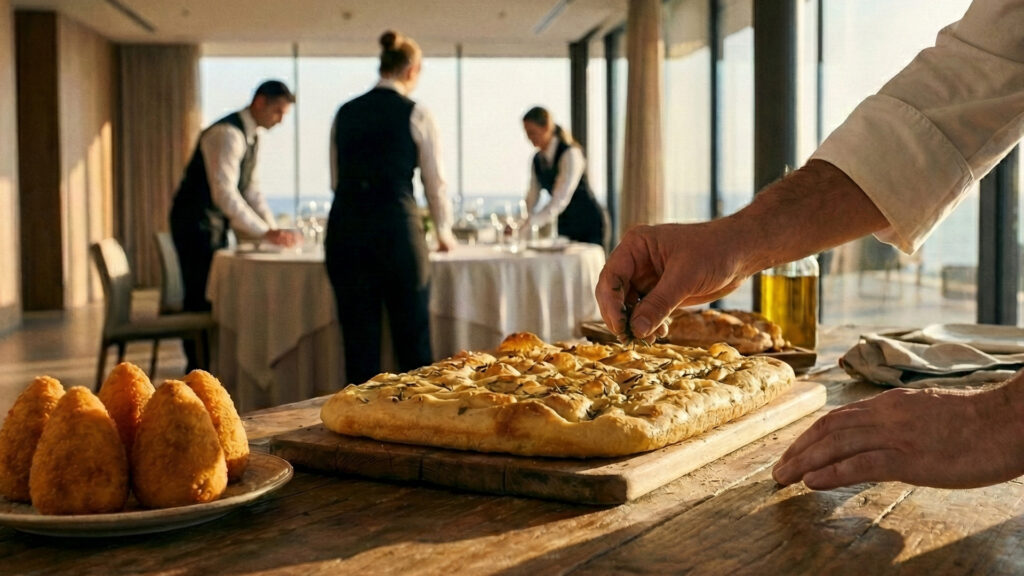
When Does a Hotel Usually Need a Food Supplier?
The most common situations are:
corporate events
conventions and conferences
groups and excursions
temporary kitchen support
informal formats (cocktails, finger food, coffee breaks)
brand activations or special events
Each one requires a different type of service. And not all suppliers know how to cover them properly.
7 Key Criteria to Choose the Right Supplier (Real Checklist)
Before hiring, review the following:
Experience in hotels. Not in “hospitality” in general. In hotels.
Clarity of Formats What is served, how, when, and where.
Time Management Setup and breakdown without disruption.
Real Flexibility Last-minute changes, capacity adjustments, unforeseen issues.
Allergens and Dietary Restrictions Clear documentation, traceability, and control.
Coordination with the hotel team. A single point of contact. Direct communication.
Plan B Because something can always happen.
If a supplier doesn’t address these points, they’re not ready to work with hotels.
Most Common Food Formats in Hotels
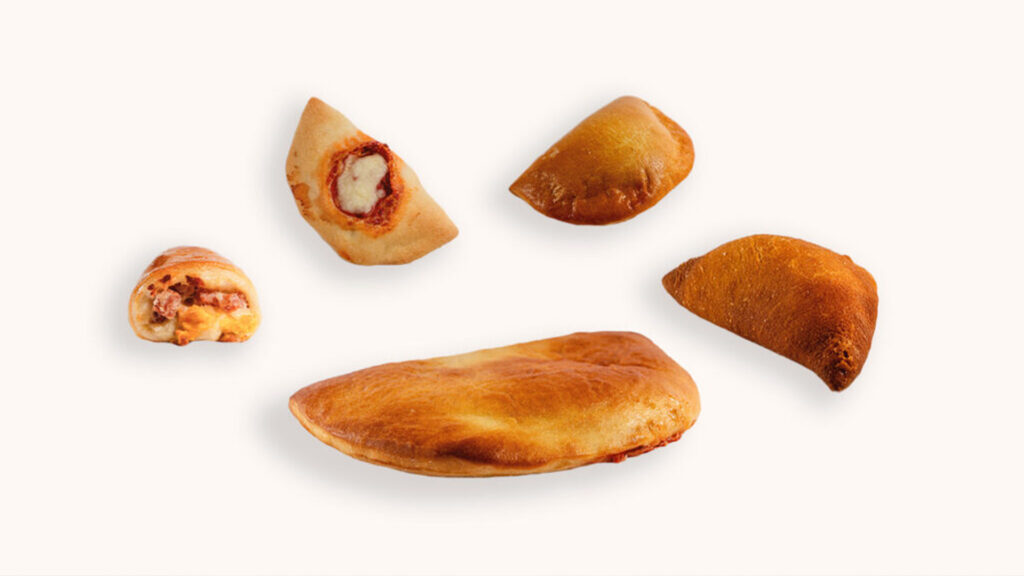
Not all events require the same approach. These are the most frequent formats:
Coffee Breaks
easy consumption
very tight schedules
quick cleanup
Cocktail / Finger Food
smooth guest flow
food designed to be eaten standing
steady service rhythm
Groups and Conventions
volume
consistency
coordination with fixed schedules
Corporate Events
brand image
reliability
overall experience
A good supplier advises on the format — they don’t push a standard solution.
Questions You Should Ask Before Requesting a Quote
These questions quickly filter serious suppliers:
What information do you need to prepare an accurate quote?
How do you handle changes in guest numbers?
Who coordinates the service on the event day?
How do you manage allergens?
What happens if something unexpected occurs?
What do you need from the hotel?
If the answers aren’t clear, there’s risk.
Indicative Pricing (What Really Affects the Cost)
There is no single price. It depends on:
the number of attendees
the service format
the type of product
service duration
logistics
required staff
Be cautious with fixed prices without context. A serious supplier asks questions before talking numbers.
Common Mistakes When Hiring a Food Supplier for Hotels
Choosing based on price alone
Not clearly defining the format
Not discussing timing
Failing to anticipate dietary restrictions
Not clarifying who is in charge on-site
All of these mistakes show up on the day of the event.
How We Work with Hotels at L’Arancina
At L’Arancina, we work with hotels with one clear goal: to integrate seamlessly without complicating operations.
Our process is simple:
We understand the type of hotel and event
We define the format and realistic timings
We adapt the proposal to capacity and space
We coordinate directly with the hotel team
We execute without interference
We leave without a trace
Well-made Italian food, agile service, and zero friction.

FAQs
What’s the difference between a food supplier for hotels and standard catering?
Adaptation to hotel operations, timing, and coordination.
Can a food supplier handle both events and group services?
Yes — as long as they have real experience with volume and logistics.
Is it better to work with a specialized or generic supplier?
For hotels, always choose one that understands context and operational rhythm.
Do You Need a Food Supplier for Your Hotel?
If you’re organizing:
an event
a convention
a group service
or need a reliable supplier
Tell us the context (date, number of guests, format), and we’ll prepare a clear proposal — no complications.